International Day for Women and Girls in Science book list
February 11, 2026
To mark the United Nations International Day of Women and Girls in Science, SNOLAB is pleased to share a reading list that takes you from the spark of childhood curiosity to the systemic barriers women face in STEM fields. These inspiring books have been recommended by members of the SNOLAB community and showcase the innovation and resilience of women in science.
Reach For The Stars by Emily Calandrelli – From the moment we are born, we reach out. We reach out for our loved ones, for new knowledge and experiences, and for our dreams! This is a celebration of love and shared discovery dedicated to all children, written by Emily Calandrelli. It honors children’s curiosity, encouraging everyone to boldly explore new knowledge, experience the world, and maintain the scientific courage to “reach for the stars” throughout their lives.
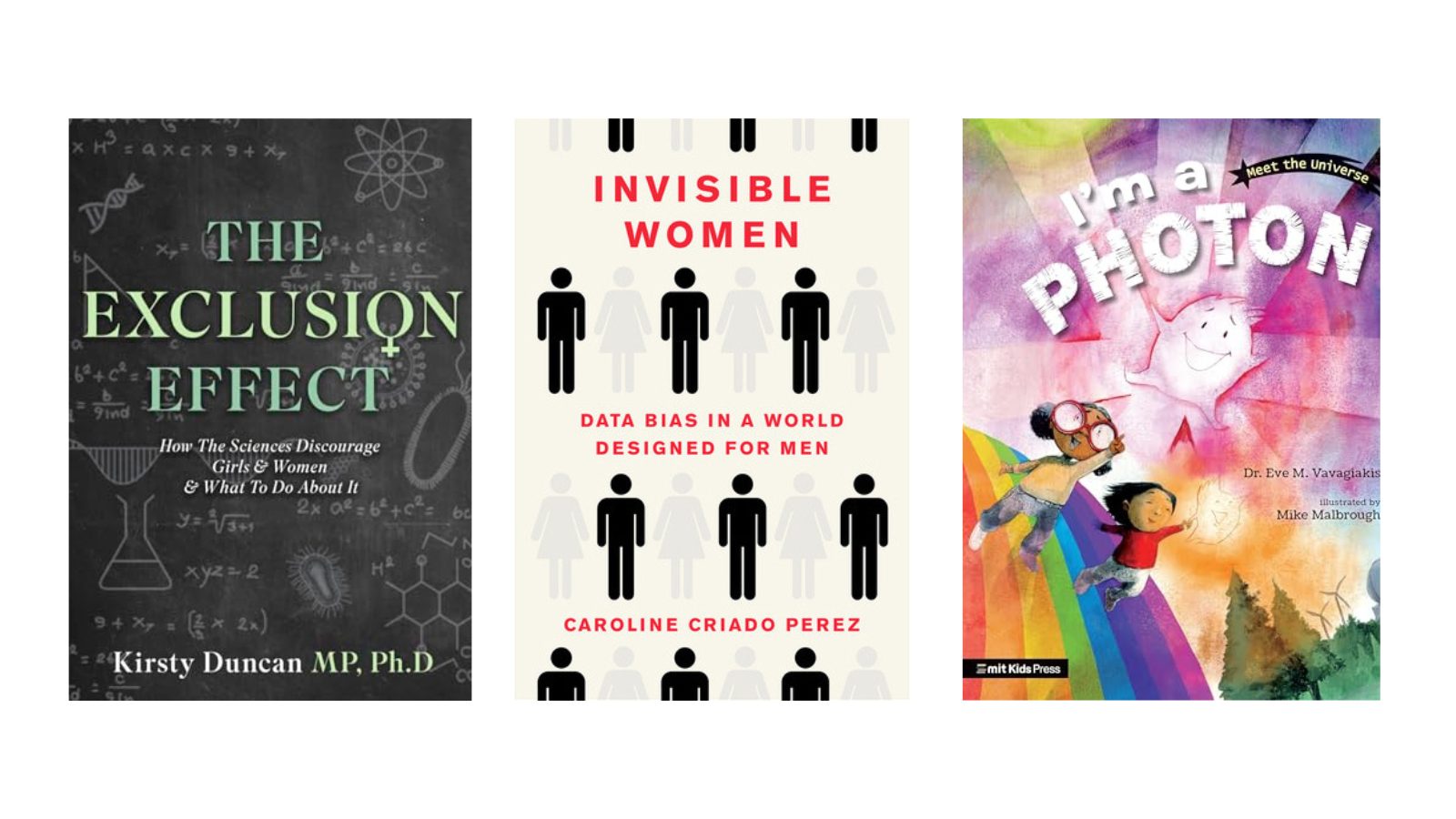
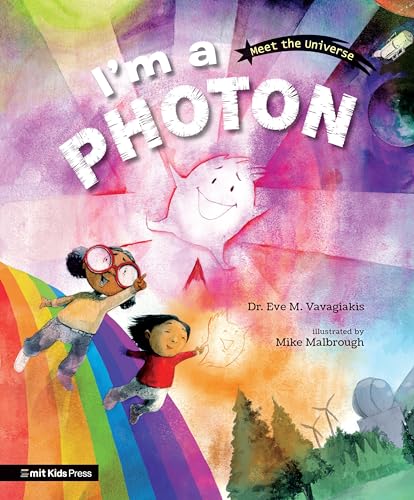
I’m a Photon by Eve M. Vavagiakis – Photons are everywhere, from the twinkling of stars to the heat from our own breath. Complex concepts are presented in a fun and readable style as physicist Dr. Eve Vavagiakis shines a light on these unique elementary particles and the many ways they appear and behave. Young scientists are invited to imagine harnessing the power of photons, perhaps by observing distant stars through a telescope or building a quantum computer!
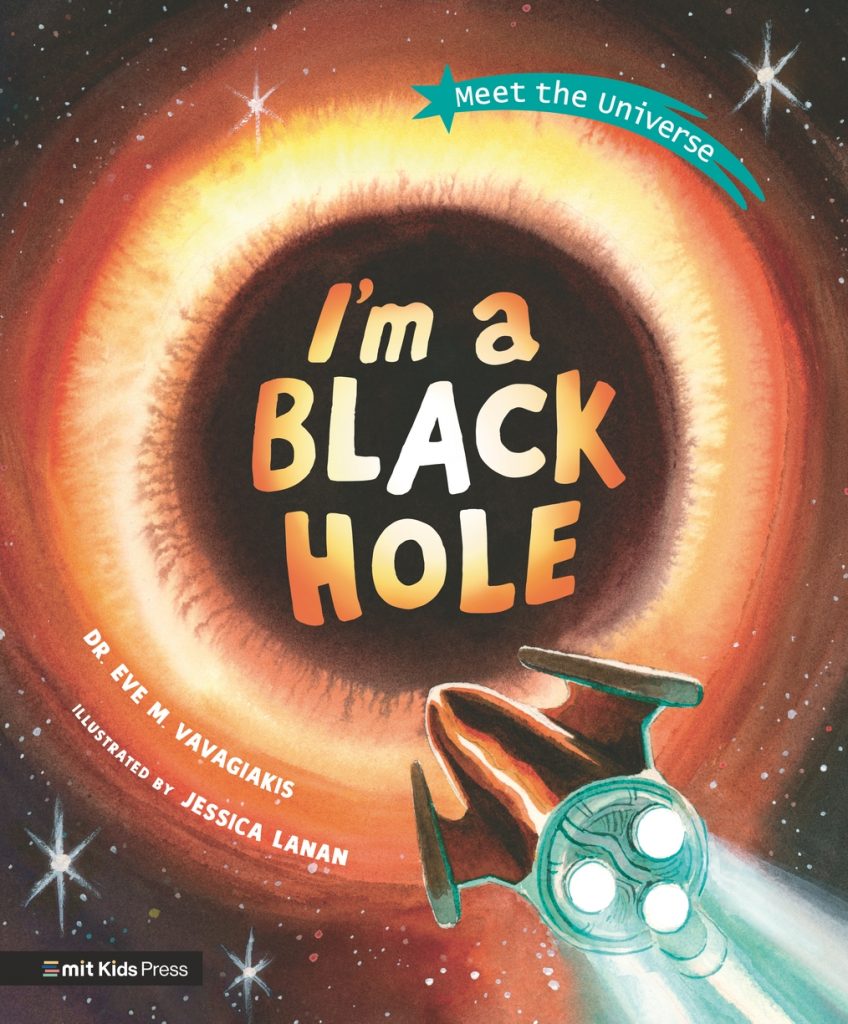
I’m a Black Hole by Eve M. Vavagiakis – This time, physicist Dr. Eve Vavagiakis invites young scientists to embark on a sensory journey toward the event horizon through the first-person perspective of a black hole. This book brings the most mysterious and awe-inspiring celestial object in the universe to life, explaining the birth and death of stars in a childlike yet scientifically precise manner, thereby sparking boundless imagination about astrophysics.

The Exclusion Effect: How the Sciences Discourage Girls & Women & What to do about it by Kirsty Duncan – From remote Arctic expeditions to the halls of Canada’s Parliament, Dr. Kirsty Duncan witnessed firsthand and exposed the deeply entrenched culture of gender discrimination within the scientific community. She dedicated her life to advocating for the rights of girls and women in academia. This book stands as her powerful call for systemic change and an enduring legacy for today’s research environment.
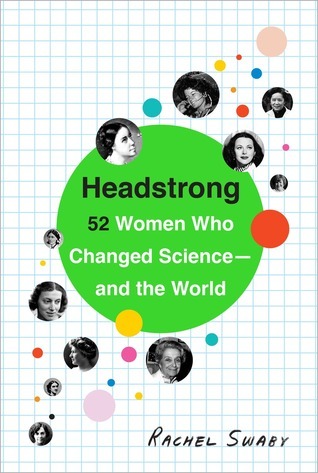
Headstrong: 52 Women Who Changed Science-and The World by Rachel Swaby – Where are the female visionaries in STEM? Are they allowed to remain at the forefront of research and application, or are they socially expected to prioritize family responsibilities? From Nobel prize winners and groundbreaking innovators to lesser-known women scientists whose work profoundly shapes our daily lives, this book offers a chance to discover stories that reveal their true selves. This fascinating tour reveals the brilliance of 52 extraordinary women while inspiring a new generation of girls to put on their lab coats.
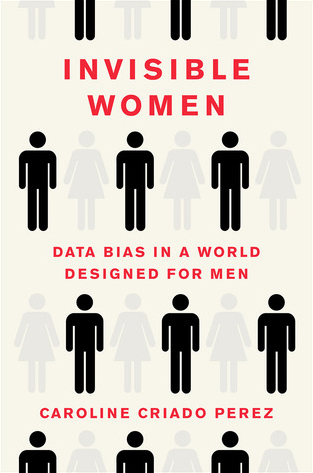
Invisible Women: Data Bias In A World Designed For Men by Caroline Criado Perez – Data determines resource allocation and public policy, but what if the data itself is biased? This book exposes a long-silenced reality: from medical research to vehicle safety design, the world often defaults to “male” as the standard model. The neglect of women’s physiology and needs infiltrates every aspect of life, exacting a tremendous toll on women. This is a wake-up call about structural bias and discrimination.

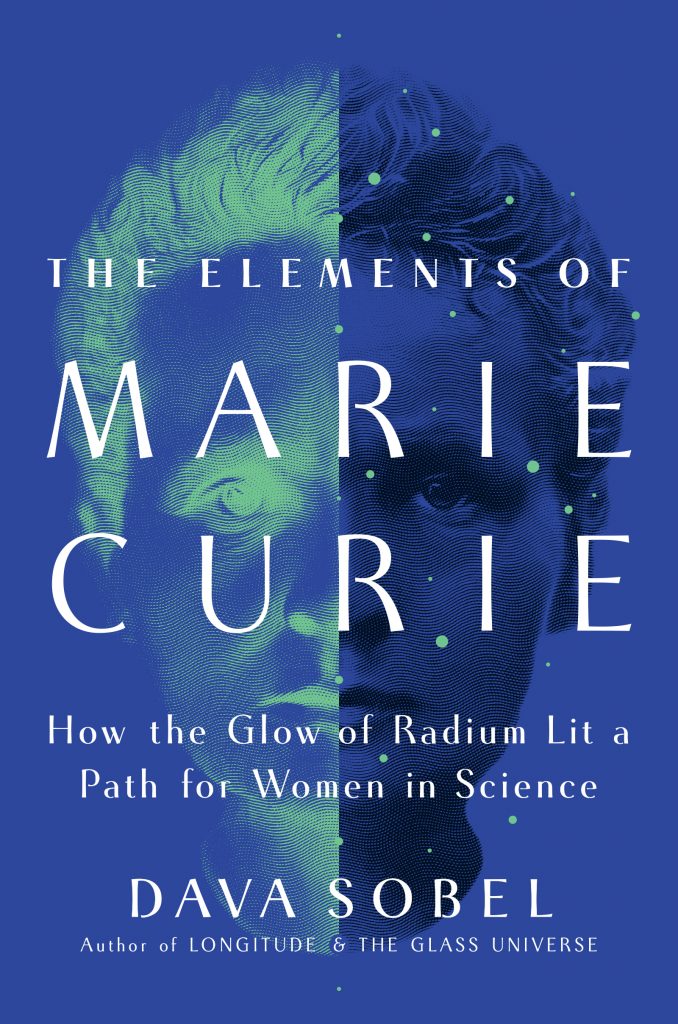
The Elements of Marie Curie: How the Glow of Radium Lit a Path for Women in Science by Dava Sobel – Marie Curie, the only female scientist most people can name, was not only the sole recipient of Nobel Prizes in two different fields, but also trained and inspired her own two brilliant daughters and generations of young female scientists. Dava Sobel paints a vivid portrait of Marie’s discoveries, struggles, and passion, revealing how she—as the coiner of the term “radioactivity”—transformed faint glimmers into a beacon illuminating the path of science for women and girls to come.
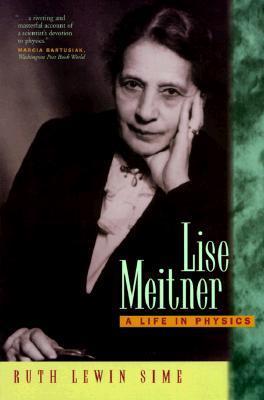
Lise Meitner: A Life in Physics by Ruth Lewin Sime – As a co-discoverer of nuclear fission, Lise Meitner was deliberately erased from the Nobel Prize list. This authoritative biography meticulously reconstructs, through rare personal letters, how she survived exile amid the dual pressures of Nazi persecution and gender discrimination. It delves deeply into the impostor syndrome she experienced, revealing how a female scientist, in an era where women had to fight for every edge, braved self-doubt and external injustice through sheer resilience.
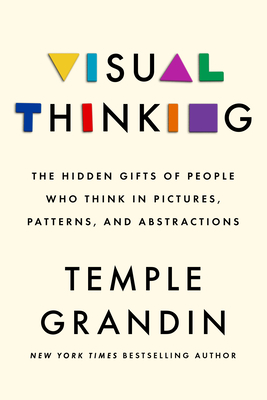
Visual Thinking: The Hidden Gifts of People Who Think in Pictures, Patterns, and Abstractions by Temple Grandin – Who exactly is allowed entry into the world of science? Famous animal scientist Temple Grandin’s memoir Thinking In Pictures, Expanded Edition: My Life With Autism, transformed the world’s understanding of autism by reflecting on her own experiences and struggles. Twenty-five years later, her new work further argues that the world relies too heavily on verbal thinking while neglecting “visual thinkers” who excel at images and patterns. This book broadens the definitions of talent and cognition, calling for a scientific community that embraces diverse ways of thinking to tackle the challenges of the future.
Looking for more great reads? Explore our IDWGS reading lists from 2025 and 2024.