HALO odometer rolls over to run 10,000
June 04, 2026
— Experiment Updates
On May 15, 2026, HALO’s run number “odometer” rolled over from 9,999 to 10,000!
HALO (Helium And Lead Observatory) is looking for neutrinos from supernovae within close enough proximity, something which has only been observed once before – and that was in 1987! The signal from supernova neutrinos will give the experiment a window into the most extreme conditions in the Universe since the Big Bang.
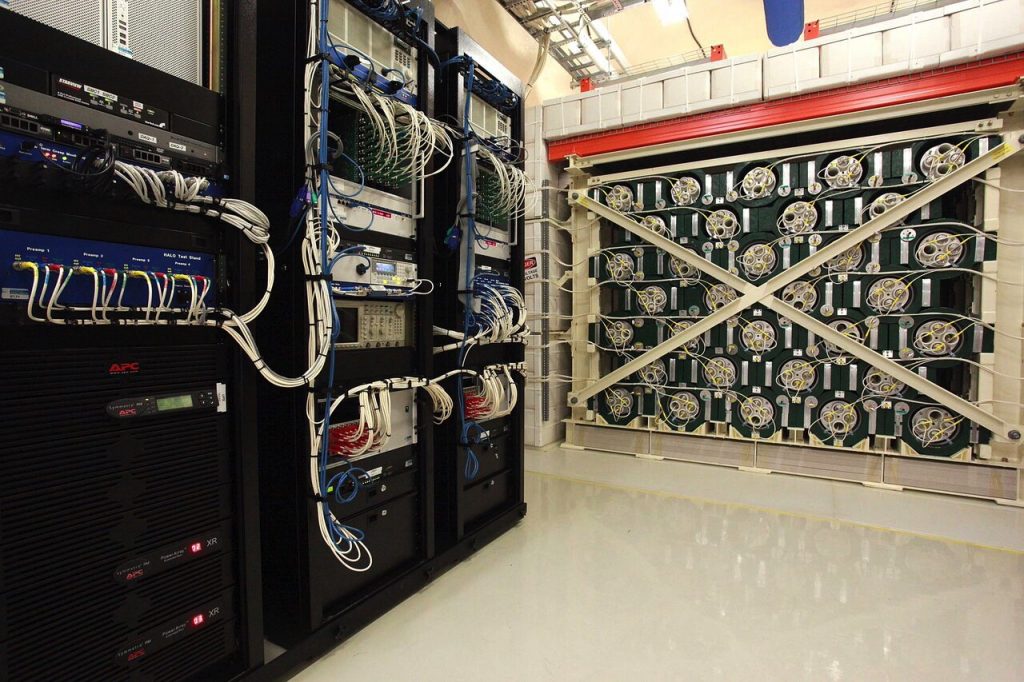
SNOLAB Staff Scientist and member of the HALO collaboration, Dr. Tom Sonley, adds: “The core of a supernova is the hottest, densest place since the Big Bang. We would love to take a picture of it, but the star around it gets in the way. But neutrinos are so small they can find their way out, and we can get a picture with them. The only problem is they are so small that we will only catch a handful out of the trillions that will pass through HALO”.
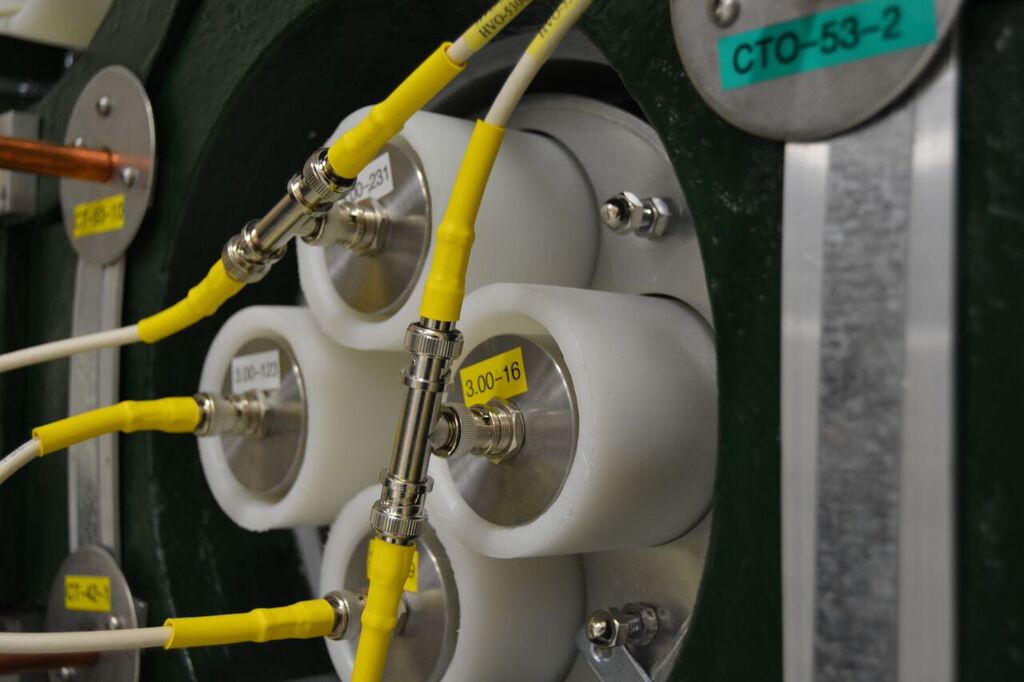
Additionally, the neutrinos from a supernova are the first signal that one is happening in our Universe. This early warning that a supernova is happening has enabled HALO to be part of the Supernova Early Warning System (SNEWS), which tells astronomers to point their telescopes at potential supernova stars, so that they might capture a supernova explosion on camera for the first time.
HALO would expect a 10-second burst of neutrinos which is expected roughly once every 50 years with no warning. Due to the rarity of the type of supernova HALO is looking for happening, it is critical that the experiment is running at all times, so they don’t miss the small window of the neutrino burst! “HALO is a work-horse of a detector, chugging along for 10,000 runs! We are astronomically patient while waiting for a supernova,” says Dr. Erica Caden, Senior Research Scientist at SNOLAB and member of the HALO collaboration.
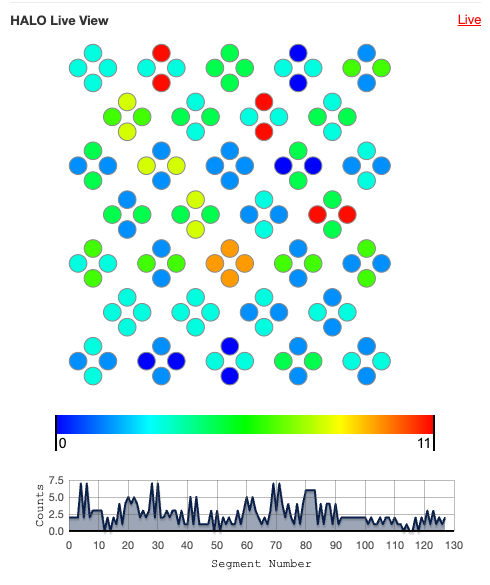
Over the past 13 years, HALO has been running 98.7% of the time. Each run on HALO lasts up to one day and represents a period of stable and consistent running. During calibrations, a process which helps an experiment better understand what they are seeing, HALO may go through 50 runs in a day. An “odometer rollover” is a great opportunity to celebrate the longest-running experiment at SNOLAB!
“Reaching the 10,000th run is more than a numerical milestone – it represents a significant achievement in both scientific endurance and discovery-driven collaboration. We look forward to the next 10,000 runs!” says Dr. Ray Bunker, SNOLAB’s Director of Research.